Friday, February 11, 2011

Golden eagle

Found throughout the Northern Hemisphere, the Golden Eagle is common in western North America, but rare in the East. It is one of the largest birds of prey in North America; only the Bald Eagle and California Condor get larger.
Golden eagle
Golden eagle
Golden eagle
Golden eagle

Thursday, February 10, 2011

Toucan

Keel-billed toucans inhabit tropical forests from Mexico to Venezuela and subsist on a diet of fruits and berries. Poor flyers, toucans move mostly by hopping around trees. Their remarkable bill is lightweight and serves as the perfect tool for reaching small fruits. The bird’s raucous cries and brilliant colors make its presence known throughout the rain forest. Toucans are increasingly threatened by deforestation of their habitat and illegal capture for the wild bird trade.
Toucan
Toucan
Toucan
Toucan
Toucan

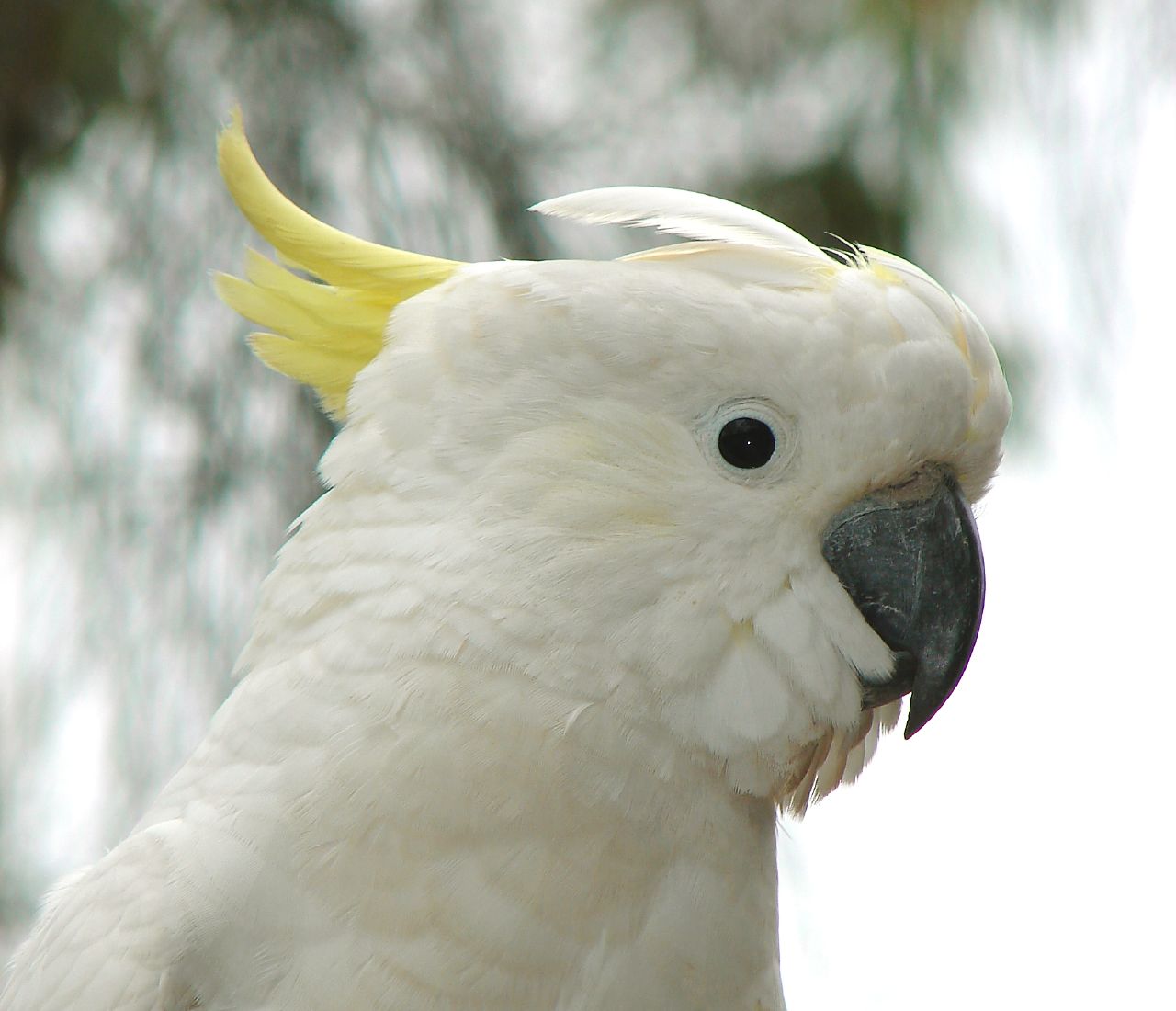
Sulphur-crested Cockatoo|Beautiful Birds

Found in the rain forests throughout Indonesia, the sulphur-crested cockatoo eats seeds, fruits, nuts and herbaceous plants. In the wild, cockatoos are friendly and peaceful; they live in pairs or small flocks, though sometimes they gather in very large flocks to feed. While all species of cockatoo are protected by the Convention on International Trade of Endangered Species, the sulphur-crested cockatoo is critically endangered due to habitat loss and illegal capture for pet bird trade.
Sulphur-crested Cockatoo

Sulphur-crested Cockatoo

Wednesday, February 9, 2011

King fisher

The Common Kingfisher, Alcedo atthis, also known as Eurasian Kingfisher or River Kingfisher, is a small kingfisher with seven subspecies recognized within its wide distribution across Eurasia and North Africa. It is resident in much of its range, but migrates from areas where rivers freeze in winter.

This sparrow-sized bird has the typical short-tailed, large-headed kingfisher profile; it has blue upperparts, orange underparts and a long bill. It feeds mainly on fish, caught by diving, and has special visual adaptions to enable it to see prey under water. The glossy white eggs are laid in a nest at the end of a burrow in a riverbank.
King fisher
King fisher
King fisher
King fisher
King fisher

Tuesday, February 8, 2011

Great Black Cormorant

The Great Cormorant (Phalacrocorax carbo), known as the Great Black Cormorant across the Northern Hemisphere, the Black Cormorant in Australia and the Black Shag further south in New Zealand, is a widespread member of the cormorant family of seabirds. It breeds in much of the Old World and the Atlantic coast of North America.
The Great Cormorant is a large black bird, but there is a wide variation in size in the species wide range. Weight is reported from 1.5 kg (3.3 lbs)[1] to 5.3 kg (11.7 lbs),[2] with a typical range from 2.6 to 3.7 kg (5.7-8.2 lbs).[3] Length can vary from 70 to 102 cm (28–40 in) and wingspan from 121 to 160 cm (48–63 in). It has a longish tail and yellow throat-patch. Adults have white thigh patches in the breeding season. In European waters it can be distinguished from the Common Shag by its larger size, heavier build, thicker bill, lack of a crest and plumage without any green tinge.

In eastern North America, it is similarly larger and bulkier than Double-crested Cormorant, and the latter species has more yellow on the throat and bill.
The Great Cormorant breeds mainly on coasts, nesting on cliffs or in trees (which are eventually killed by the droppings), but also increasingly inland. 3-4 eggs are laid in a nest of seaweed or twigs.

The Great Cormorant can dive to considerable depths, but often feeds in shallow water. It frequently brings prey to the surface. A wide variety of fish are taken: cormorants are often noticed eating eels, but this may reflect the considerable time taken to subdue an eel and position it for swallowing, rather than any dominance of eels in the diet. In British waters, dive times of 20–30 seconds are common, with a recovery time on the surface around a third of the dive time.
Great Black Cormorant

Macaw

Scarlet Macaws are found in tropical forests from eastern Mexico to the Peruvian Amazon and Brazil. These brilliantly colored birds survive on a diet of fruits and seeds. Highly intelligent, macaws mate for life and may live up to 70 years. Currently, the species is at risk due to habitat loss and capture for illegal bird trade. WWF helped create Peru’s spectacular Manu National Park, home to the scarlet macaw and nearly 10 percent of all bird species on Earth.
Macaw

Macaw
Macaw

Atlantic Puffin

Atlantic puffins live at sea far from shore most of their lives. In the spring and the summer, thousands of puffins gather in colonies on the coasts and islands of the North Atlantic Ocean. Pairs often mate for life, locating one another at their breeding colony year after year and nesting in the same burrow as previous years. Puffins "fly" through the water, using their wings as paddles and their webbed feet like a rudder to steer.
Atlantic Puffin
Atlantic Puffin
Atlantic Puffin
Atlantic Puffin
Atlantic Puffin