Monday, February 7, 2011

Mountain eagle

Any of various large diurnal birds of prey of the family Accipitridae, including members of the genera Aquila and Haliaeetus, characterized by a powerful hooked bill, keen vision, long broad wings, and strong soaring flight.
A representation of an eagle used as an emblem or insignia.
A gold coin formerly used in the United States, stamped with an eagle on the reverse side and having a face value of ten dollars.
Sports. A golf score of two strokes under par on a hole.

Mountain eagle
Mountain eagle
Mountain eagle
Mountain eagle
Mountain eagle

Sunday, February 6, 2011

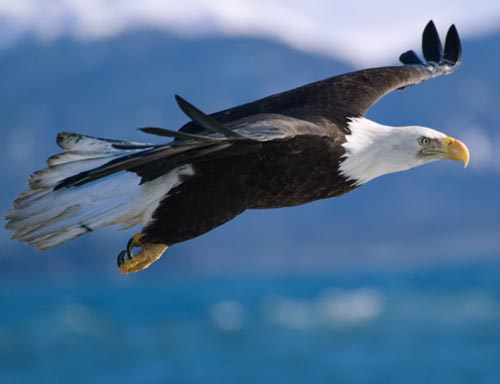
Eagle

Bald eagles live along the rivers, lakes, marshes, and seacoasts of North America. While fish make up the majority of its diet, the bald eagle will also prey upon other birds and small mammals, such as rabbits. A conservation success story, after being protected under the Endangered Species Act, bald eagle populations in the lower 48 states have been down listed to “threatened.” These majestic birds are still at risk due to habitat loss, toxins, and pollution.
Eagle
Eagle
Eagle
Eagle

Red-footed Booby

Inhabiting the tropics and subtropics of the Atlantic, Pacific and Indian Oceans, the red-footed booby survives on a diet of fish and small octopi. Humans rarely see this species because it spends most of its time flying over water to feed. The future of the red-footed booby is threatened by the fishing industry and coastal development. Over-fishing in booby territory reduces their main food supply and depletion of trees and shrubs around tropical coasts has a negative impact on their distribution of habitats.
Red-footed Booby
Red-footed Booby
Red-footed Booby

Saturday, February 5, 2011

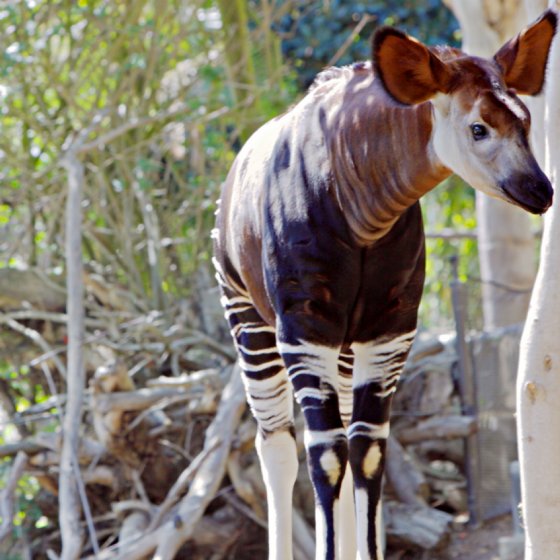
Okapi

Found only in the tropical forests of the Democratic Republic of Congo, okapis are similar in size and shape to a horse, but walk more like giraffes by moving front and hind legs of the same side simultaneously. Their diet consists of a wide variety of vegetation, including leaves, grass and shoots. Many of the plant species that the okapi feeds on are poisonous to humans. With such a limited range, habitat loss is a threat to the okapi.
Okapi
Okapi
Okapi
Okapi
Okapi

Emerald Hummingbird

The emerald hummingbird lives in arid thorn-forest and scrub in the interior valleys of Honduras. Its diet consists of insects, flowering plants and orangepipe cactus. The hummingbird faces threats from severe habitat loss and deforestation, largely due to clearing for agriculture and ranching.
Emerald Hummingbird
Emerald Hummingbird
Emerald Hummingbird
Emerald Hummingbird
Emerald Hummingbird

Friday, February 4, 2011

Brown Pelican

Brown pelicans are the only species of pelican whose habitat is strictly marine; it is never found farther than 20 miles out to sea or inland on fresh water. The brown pelican is one of the most spectacular fishermen of all birds, folding its wings and plummeting into the water from heights of up to 40 feet. It flies very close to the surface of the water, intermittently flapping its wings and then gliding. Now common in coastal areas of the southern United States, the fish-eating brown pelican was decimated by pesticide poisoning in the 1960s.
Brown Pelican
Brown Pelican
Brown Pelican
Brown Pelican
Brown Pelican

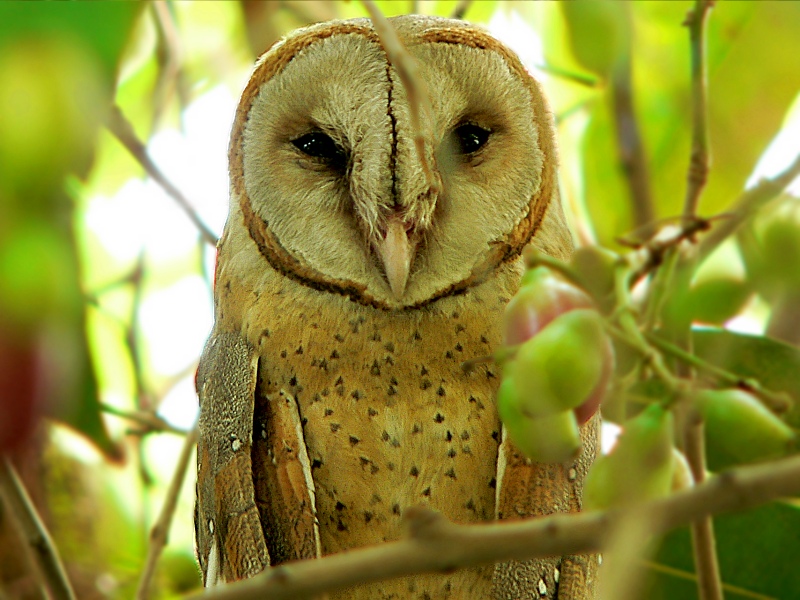
Barn Owl

The barn owl has excellent low-light vision to find prey by sight at night. But it also has the unique ability to locate prey by sound alone and can even locate and catch mice in the snow. Barn owls appear to practice population control; when food is scarce they lay fewer eggs or may not breed at all. Found on many oceanic islands and on every continent except Antarctica, the barn owl is one of the most widely distributed birds in the world.
Barn Owl
Barn Owl
Barn Owl
Barn Owl
Barn Owl